
2 historical examples of innovation
where creativity would have played a key role

Today, we want to share a reflection about a good friend: Xavi Puig. He is a creative mind, which always analyzes and observes its surroundings. A person who lives in constant learning and who shares it with others.
In short, a very interesting guy from whom you always learn and reflect. When you sit at a table with him and listen to him, his words are slow, thoughtful, deliberate. He has that power to connect you directly with his thoughts and that, friends, happens with few people. So we're going to interview him shortly.
Here, his original post in Spanish and translated to english below:
A couple of weeks ago I was invited to a round table to talk about the future of creativity in organizations.
In one of the questions they asked us for historical examples of innovation. Examples where creativity would have played a key role.
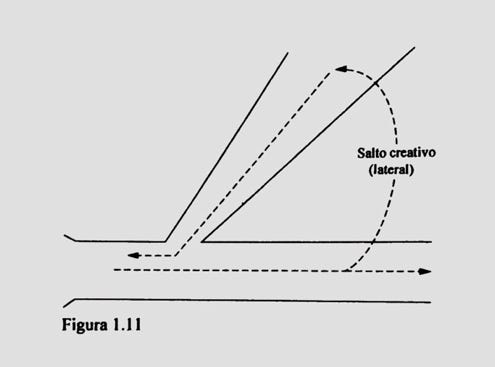
In my case I thought of two.
Two cases that I like to mention often, not so much because of the innovation they represented - which also - but because of the moral that they bring with them.
1. The invention of the movable type printing press by Johannes Gutenberg in 1440.
I'm not discovering anything new; Gutenberg's is, without a doubt, one of humanity's most important innovations. It allowed us to democratize, scale and distribute knowledge. There it is nothing.
However, what is interesting about this case is how it is forged. Well, Gutenberg, in reality, does not invent anything.
His value as an inventor lay “simply” in bringing together a whole set of technologies that were already available at the time.
In his case (and simplifying): the press to make wine, the technology to mint money, the codex format, the ink... and voila!
Gutenberg's is a paradigmatic example of "creativity as remix."
The ingredients are already there and the value is in finding new ways to combine them. Synthesis.
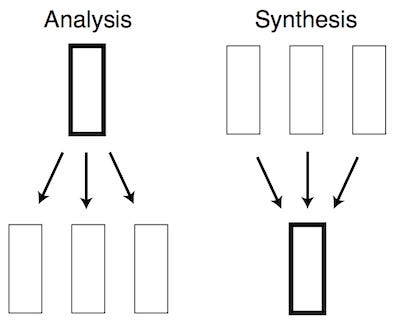
This example perfectly embodies William Gibson's legendary phrase:
«The future is already here, just unevenly distributed»
There is no doubt that Johannes Gutenberg would have subscribed word for word to Gibson's quote.
2. The other innovation that I like to mention often is the rolling suitcase, which was patented by the American Bernard Sadow in 1972.
Compared to Gutenberg's, this innovation may seem totally trivial.
However, behind it lies a lesson just as valuable—if not more—than that of the printing press.
As with the printing press, this innovation also arises from bringing together technologies that had until then been dissociated; in this case, a suitcase and some wheels.
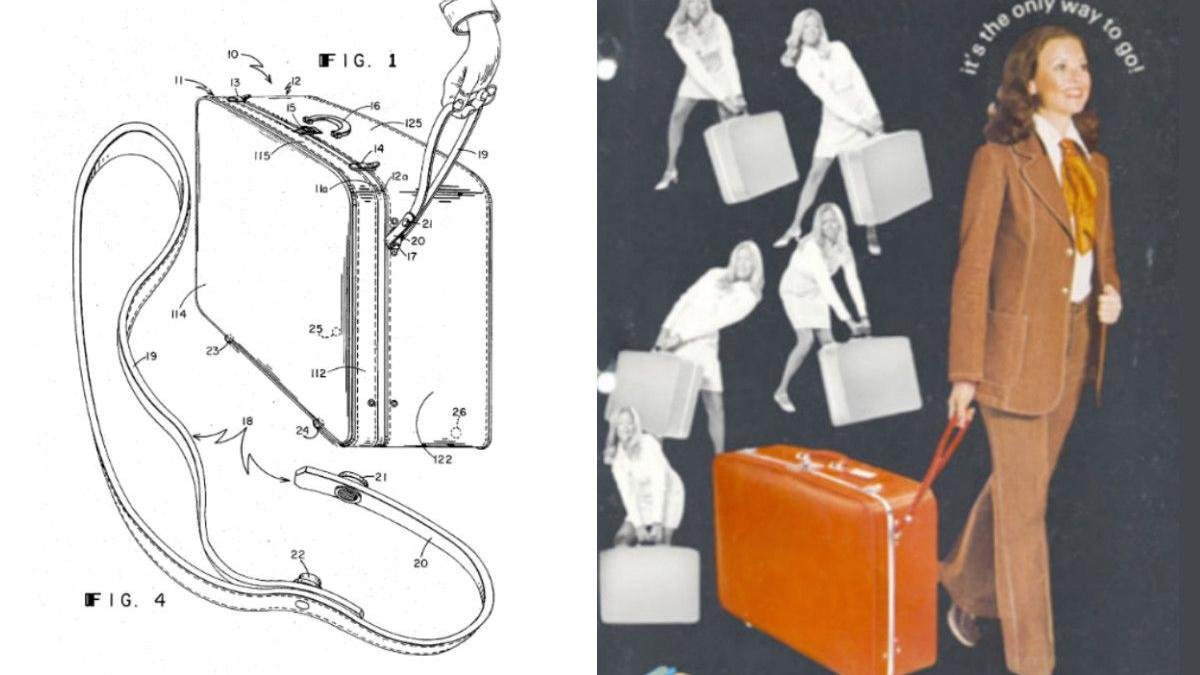
The enigmatic thing is that... until the 70s, no one had thought of creating this seemingly obvious connection!!!
And it won't be because of time! The wheel will be no less than 5,000 years old (3500 BC in Mesopotamia). While we can't even date the suitcase (portable container).
Just to give you an idea of the magnitude of the tragedy: Humanity managed to reach the moon (1969) before inventing the suitcase with wheels (1972)!!! Incredible true?
How is that possible? How come no one thought of it before?
There are many theories about this... Without going into much detail, I am inclined to think that the reason is purely cultural: the need simply did not exist until then and that is why no one thought of inventing it before.
Consider that, on the one hand, people traveled much less than now—traveling, as we understand it today, is a totally modern activity.
And secondly, this task of carrying luggage used to fall to a specific figure, which was the bellboy.
In any case, for me, the valuable thing about this innovation was knowing how to look at everyday life in an unusual, non-obvious, innocent way...
The rolling suitcase was so obvious that no one thought of it before. But it was actually there, right under our noses.
Sadow's invention is for me a paradigmatic example of "creativity as unusual looking."
Many times, innovations are already potentially there, and the value lies solely in looking at the more everyday environment in new ways.
By way of anecdote, and to close: the joke of the suitcase with wheels does not end here... Well, to reach the definitive version (the one we know today) it took almost 20 more years.
Sadow's original design was quite uncomfortable, as the handle arrangement made it very unstable in transport.
That is why Robert Plath patented the design we know today in 1987, with the vertical arrangement of the suitcase and the rigid handle.
Xavi Puig is a Head of Insights at Telefónica. You can follow him in LinkedIn, or read his reflections (in Spanish) in X (former Twitter) and Substack.
Tell us something? Here is the space. Or leave us a comment below.
If you are one of those restless, creative and curious minds, this is your space to continue nurturing it. We hope you like it and subscribe.
Discover spaces that inspire you to be creative and to work
Are you a creative mind and a beauty lover?
Discover Creare, your space to find places to be creative, work remotely or simply enjoy a beautiful and unique environment around the world.
Embrace the flexibility of remote work and choose from our curated selection of inspiring spaces. You can work from there.